
Astra SL2610 Development Kits: Coralboard™ SL & Astra Machina™

This year at Google I/O 2026, Synaptics and Google Research introduced the Coralboard™ Series, a new edge AI development kit family that makes prototyping powerful AI-enabled products at low power even more accessible to developers. The Coralboards feature Google's next generation Coral technology based on the Coral NPU, an open NPU designed by Google Research.
A small number of limited-edition boards were made available to some lucky developers at Google I/O. Read More. The first generally-available board in the series, the Synaptics Coralboard SL 2GB, is scheduled to be available in the Fall of 2026. These development boards feature the SL2619 Processor, which includes the Torq NPU that is the first commercial chip to feature Coral NPU technology. Read More.
Can't Wait for a Coralboard SL? Check out the Astra Machina Kit!
Have an upcoming project that can't wait for a Coralboard SL ? There is a great alternative that is available now, the Astra Machina SL2619. It is a full featured development platform that includes most of the same features as the Coralboard.
See List of Distributors for purchasing an Astra Machina kit. At each distributor site, search for SL2619.
Overview of Astra Machina Kit vs. Synaptics Coralboard SL
Here is an overview of the similarities and differences between the kits.
The Processor (System on Chip)
Both the Astra Machina kit and the Coralboard are based on the exact same chip from Synaptics - the Astra SL2619 Microprocessor. It is a powerful and efficient system on chip (SoC) that is built for Edge AI. It has a dual brain architecture in which you can run high-performance apps on the application processor cores (2 x A55) and low-power real-time apps on the microcontroller core (M52).
 |
|
Size
The Astra Machina kit is longer on each side to accommodate additional connectors.
Machina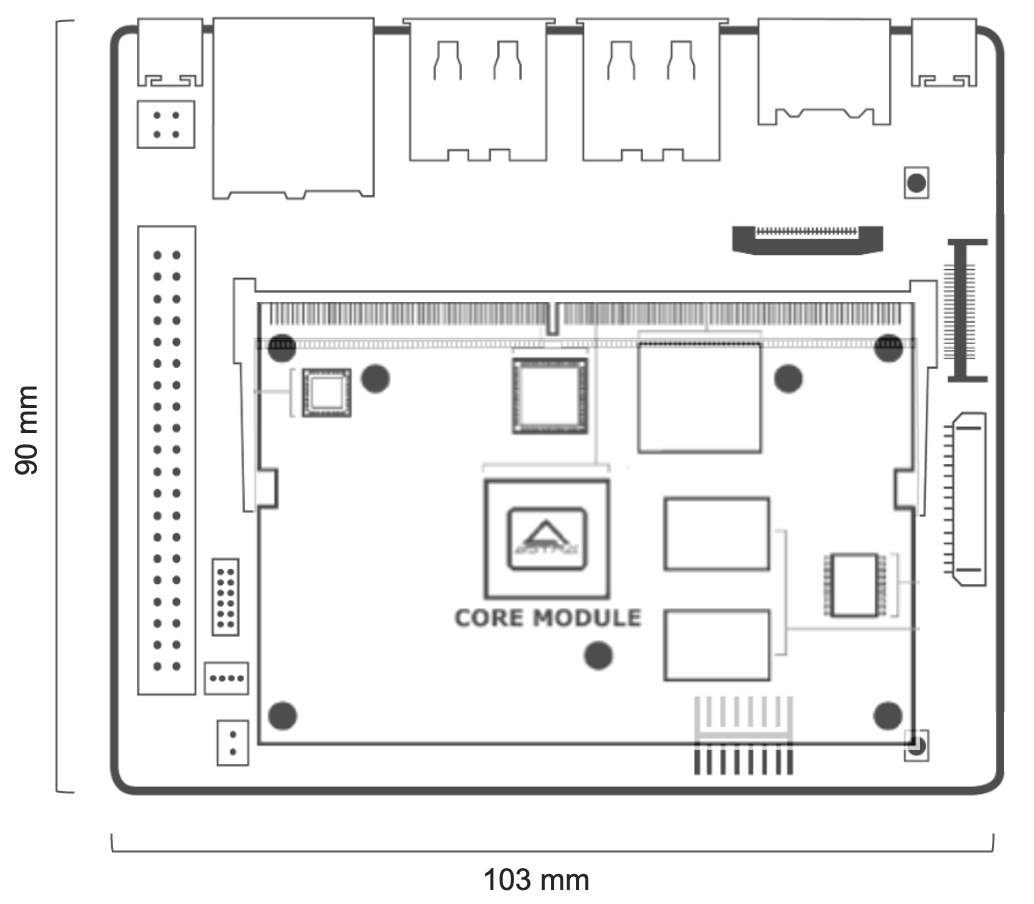 | Coralboard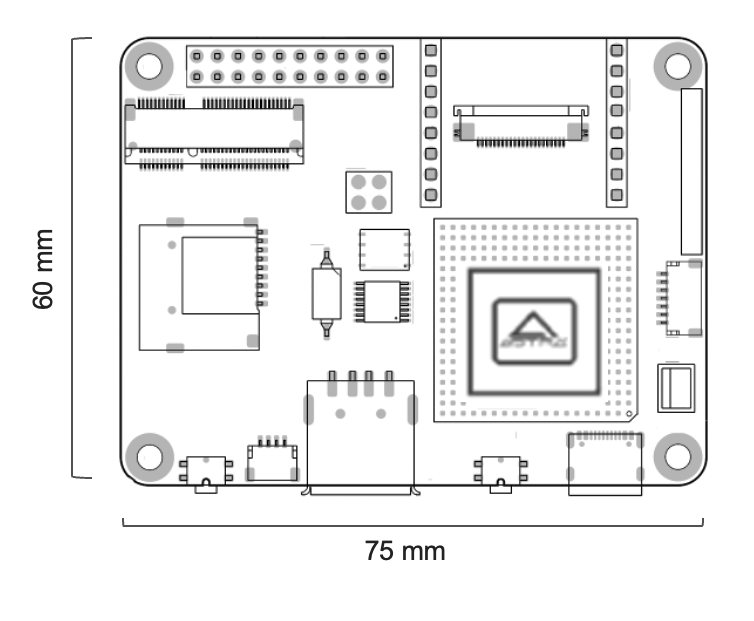 |
Memory
Both the Astra Machina kit and Coralboard have 2 GB of DDR4 in a two-chip configuration.
Both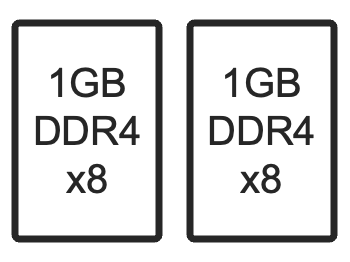 |
Future editions in the Coralboard series are planned to have additional memory configurations.
Storage
Both the Astra Machina kit and Coralboard have a micro-SD Card slot, and the Astra Machina additionally has a 32 GB eMMC. Either storage option can boot the Linux kernel and hold the file system.
Machina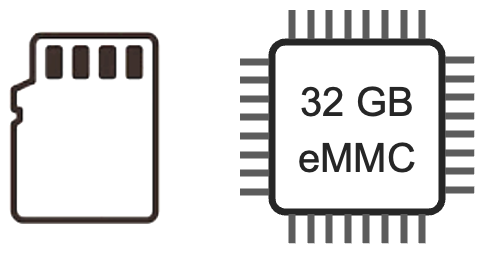 | Coralboard |
USB Ports
The Astra Machina kit offers 4 USB ports, while the Coralboard has 1 USB port. Both support using a hub to extend the ports.
Machina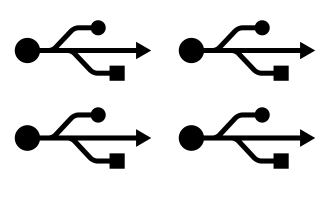 | Coralboard |
Wired Networking
The Astra Machina kit has an ethernet port. Both development kits support network sharing over USB based on Network Configuration Management (NCM).
Machina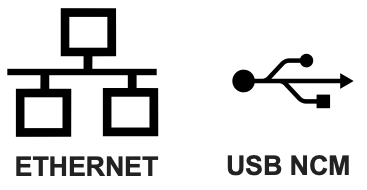 | Coralboard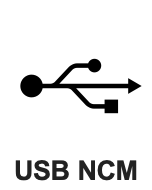 |
Wireless Module
Both kits have an expansion slot (M.2) for a WiFi/BT module. By default, the kits support Ampak Technology's AP12611_M2 wireless module based on SYN43711, a Wi-Fi 6E and Bluetooth 5.3 wireless SoC from Synaptics. It is included with the Astra Machina by default. It is a separate add-on accessory to the Coralboard.
Machina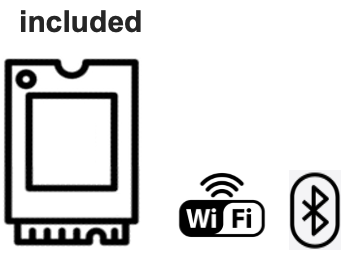 | Coralboard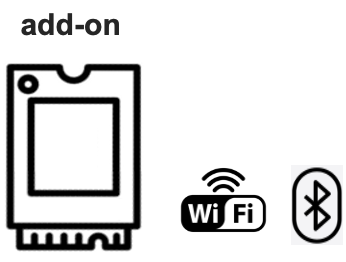 |
Display
The Astra Machina features an HDMI output connector, allowing you to plug it right into a display. A separate add-on module is planned for the Coralboard to add a micro-HDMI output connector.
Both the Astra Machina and Coralboard support MIPI DSI touch screen displays including 7", 10", and 13". By default, displays from Waveshare are supported.
Machina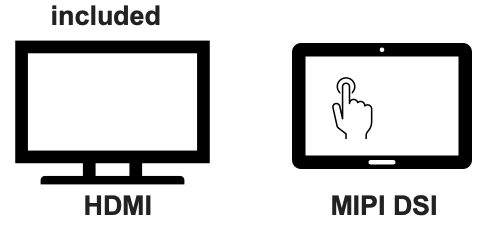 | Coralboard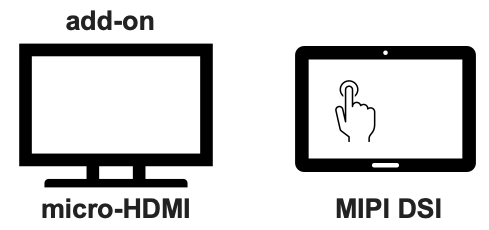 |
Camera Interfaces
Both the Astra Machina and the Coralboard support MIPI camera input. Specifically, they support the OV5647 1080P camera by default. Both support USB cameras.
Both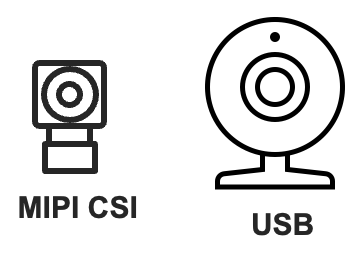 |
Microphones
Both the Astra Machina and Coralboard support PDM microphones. It is available on the Machina kit by default, but as an add-on sensor hat for the Coralboard. Both kits are compatible with USB microphones.
Both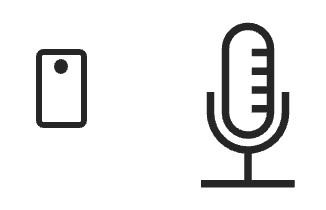 |
Audio Output
The Machina kit has a 3.5” Stereo Audio output jack. Both support USB speakers and headsets.
Machina | Coralboard |
GPIO and Sensor Connectors
The Machina kit offers more access to GPIO pins and sensor interfaces with a 40-pin Raspberry Pi-style header. The Coralboard has a smaller 20-pin header as well as a MikroBus and Qwiic connectors.
Machina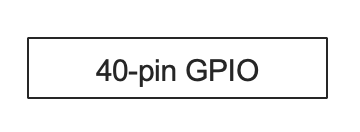 | Coralboard |
Battery-Powered Operation
Both development kits are power-efficient, especially if you take advantage of the available low-power modes. The Coralboard has a dedicated battery power input connector and is compatible with 3.7V LiPo batteries with JST-PH 2.0 connectors. The Astra Machina does not have a dedicated battery input connector. However, it can be powered through regulated battery-supplied power to the USB-PD or 3.3V input pins (with caution). Expect the Coralboard to have lower baseline power consumption simply because it has fewer components on the board.
Modularity & Expandability
The Astra Machina kit comes with an I/O Module and a Core Module. The I/O Module is reusable with all Synaptics Astra SL-Series core modules, making it possible to evaluate multiple processors in the family at a lower cost. This is not possible with the Coralboard.
Linux
Both run Yocto project-based Linux on the Arm Cortex-A55 processors. Software releases are available from Synaptics several times a year. See Astra SDK for details.

Real-Time Operation
The SL2619 is a dual brain architecture, with an included Arm Cortex-M52 core inside the SoC. The M52 provides ultra-low power and real-time control. Example apps based on both FreeRTOS and Zephyr Real-Time Operating Systems (RTOS) are available for running on the M52 core. See Astra MCU SDK and Synaptics Zephyr SDK for details.
AI Acceleration, Models, and Model Optimization
The Astra SL2610-Series is built for energy-efficient edge AI and includes the Torq T1 Neural Processing Unit (NPU) that offloads and accelerates model inference. The Torq T1 NPU can accelerate many types of models including vision, audio, transformer-based LLMs, and more!
You can convert models from popular model frameworks such as PyTorch, ONNX, JAX, and TFLite/LiteRT to run on the Torq NPU. Model compilation is performed using the Torq Compiler and related tools based on the open-source industry-standard MLIR / IREE platforms. Read more
Going to Production
The Synaptics Coralboard SL 2GB design is based on the Grinn AstraSOM-261x, a production-ready System on Module (SoM). Utilizing the SoM in a production system dramatically reduces design complexity. For more information, check out the Grinn AstraSOM-261x Product Page.
Want to Learn More?
- Read more about the Astra SL2610-Series.
- Review SL2610-Series Application Notes.
- Learn more about the Coralboard at Google's official developer site.
- Check out the Astra Machina SL2610 User Guide
- Find the latest SL2610 Example Applications on Github
- Learn how to start building edge AI applications with Synaptics Astra at the Synaptics Developer Zone